The Environmental Impact of Your HVAC Choices in Indianapolis
Published: 2026-04-28 · By LibertyPro HVAC Repair
As the seasons shift in Indianapolis, so too should your HVAC strategies to keep your home comfortable and your environmental impact minimized. Imagine a chilly October morning where your heater kicks on for the first time, releasing not only warmth but potentially high energy bills and increased emissions. Understanding how your HVAC choices influence the environment and your wallet can make all the difference as Indiana's weather fluctuates. An informed approach can lead not only to a cozy living space but also contribute to a sustainable future.
Why This Matters for Indianapolis Homeowners
In Indianapolis, the transition between seasons is often abrupt, which poses unique challenges for homeowners relying on HVAC systems. For instance, as the winter chill sets in, many systems must work harder to maintain a comfortable indoor climate. This increased demand often leads to higher energy consumption and, consequently, a larger carbon footprint. As a result, the importance of making environmentally conscious HVAC choices has become paramount.
Moreover, the typical homes in Indianapolis, many of which date back several decades, often feature outdated HVAC systems that are not energy-efficient. These homes not only contribute to higher utility bills but also exacerbate local pollution issues. Indiana's lack of natural insulation can lead to significant energy loss, and failing to update your HVAC system means missing out on advancements in energy efficiency that can drastically reduce costs.
With rising energy costs and environmental concerns, it's crucial to evaluate your HVAC choices. Upgrading to energy-efficient systems can save you money and help mitigate your impact on local air quality.
Expert Solutions & Actionable Tips
1. Evaluate Your Current HVAC System
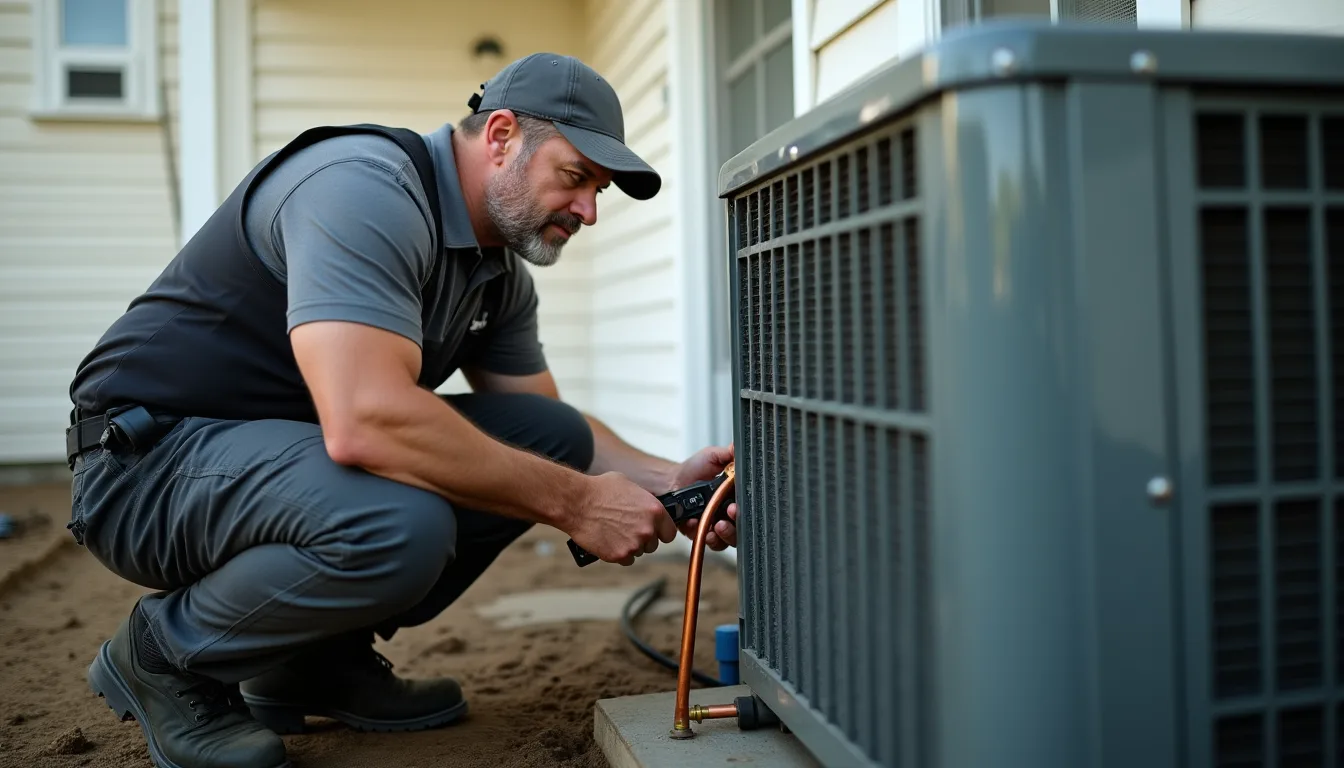
First and foremost, conduct a comprehensive evaluation of your existing HVAC system. Consider hiring a professional, like LibertyPro HVAC Repair, for an inspection. An inspection can reveal inefficiencies that might be costing you upwards of $200 each year due to wasted energy. Depending on the system's condition, a replacement could cost between $3,000 and $7,500, but the long-term savings often justify the investment.
2. Consider Programmable Thermostats
Investing in a programmable thermostat can significantly reduce energy bills by up to 10%. For a cost of about $100 to $250, this allows you to set heating or cooling schedules that align with your lifestyle, preventing energy waste when no one is home. Given Indiana's variable weather patterns, this feature can also optimize energy use during peak seasonal changes.
3. Schedule Regular Maintenance
Regular maintenance is vital for extending the lifespan and efficiency of your HVAC system. In Indianapolis, scheduling biannual check-ups before summer and winter can average about $100 to $300 per visit. This can prevent costly repairs down the line, ensuring the system runs efficiently during seasonal changes.
4. Explore Energy-Efficient Models
If you're due for an upgrade, consider energy-efficient models that have a SEER rating of 15 or higher. These units may cost between $2,500 and $5,000, but they can cut your utility bills by 30%, recovering your initial investment within a few years, especially during the cool winters and hot summers in Indianapolis.
5. Insulate Your Home
Improving your home's insulation can prevent up to 30% of heat loss in winter and reduce cooling costs in summer. Adding insulation in walls, attics, and crawl spaces can cost between $1,500 and $3,500, but the reduction in energy consumption directly impacts your bills and the environment.
6. Air Quality Matters
Don't overlook the importance of indoor air quality. Using high-efficiency filters can trap allergens and reduce HVAC workload, leading to lower energy costs – about $20 per filter. While they require regular changing every 1-3 months, the benefits of fresher air and system efficiency are invaluable.
Indianapolis Climate & Local Context
Indianapolis experiences a humid continental climate, characterized by harsh winters and humid summers. These extreme conditions place a significant strain on HVAC systems, leading to increased energy consumption and higher overall costs for homeowners. Many houses in the area are older, often lacking proper insulation and modern heating and cooling technology, which complicates energy efficiency.
Additionally, building codes in Marion County require compliance with specific energy efficiency standards when installing new HVAC systems, and homeowners may need permits for substantial upgrades. Staying informed about these regulations can not only help ensure compliance but also open doors to potential rebates and incentives aimed at improving home energy efficiency.
When to Call a Professional
Understanding when to tackle HVAC issues yourself and when to call in a professional is crucial for Indianapolis homeowners. Some DIY fixes can save you both time and money, but there are scenarios where a professional is necessary to avoid further complications and ensure safety.
- Inconsistent heating or cooling across rooms.
- Significant increases in energy bills without a change in usage.
- Unusual noises or smells coming from the HVAC system.
- Failure to start or operate properly.
- Difficulty in controlling thermostat settings.
While routine maintenance like replacing filters can often be handled by homeowners, the issues listed above often require expert understanding and tools. In these cases, contacting LibertyPro HVAC Repair can help diagnose the problem and implement effective solutions swiftly.
Frequently Asked Questions
How can I tell if my HVAC system is energy efficient?
Check the SEER rating; efficient systems generally have ratings of 15 or higher. You can also look for the Energy Star label.
What are the benefits of updating my HVAC system?
Upgrading can lower your energy bills, improve comfort levels, and increase your home’s value. Newer systems also have improved air quality features.
Do I need a permit for HVAC installation in Indianapolis?
Yes, significant HVAC installations typically require a permit to ensure compliance with local building codes and safety standards.
How often should I schedule HVAC maintenance?
It is advisable to have both your heating and cooling systems serviced at least twice a year, before peak usage seasons.
Can regular maintenance really save me money?
Absolutely, regular maintenance can prevent expensive repairs and improve system efficiency, ultimately reducing your utility expenses.
Get Expert HVAC Service in Indianapolis
In conclusion, making informed decisions regarding your HVAC system can greatly impact both your comfort level and the environment in Indianapolis. If you're facing issues or considering an upgrade, don't hesitate to reach out to LibertyPro HVAC Repair. Our team is ready to help you improve your home's efficiency and comfort.
Contact us today by calling (463) 275-5443 and let’s discuss your HVAC needs.